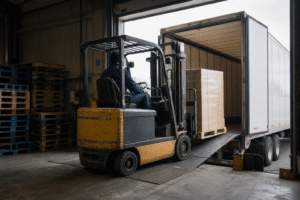
With the growing demand for warehousing, logistics, and indoor material handling, electric forklifts have become essential equipment for many businesses.
Compared with diesel forklifts, electric forklifts generally produce less noise, generate no exhaust emissions from an onboard combustion engine, and offer flexible operation. These features make them particularly suitable for indoor workplaces and environments with strict air-quality requirements.
But what jobs can a used electric forklift actually perform? Which industries can benefit from it? This article explores its common applications and provides practical buying advice.
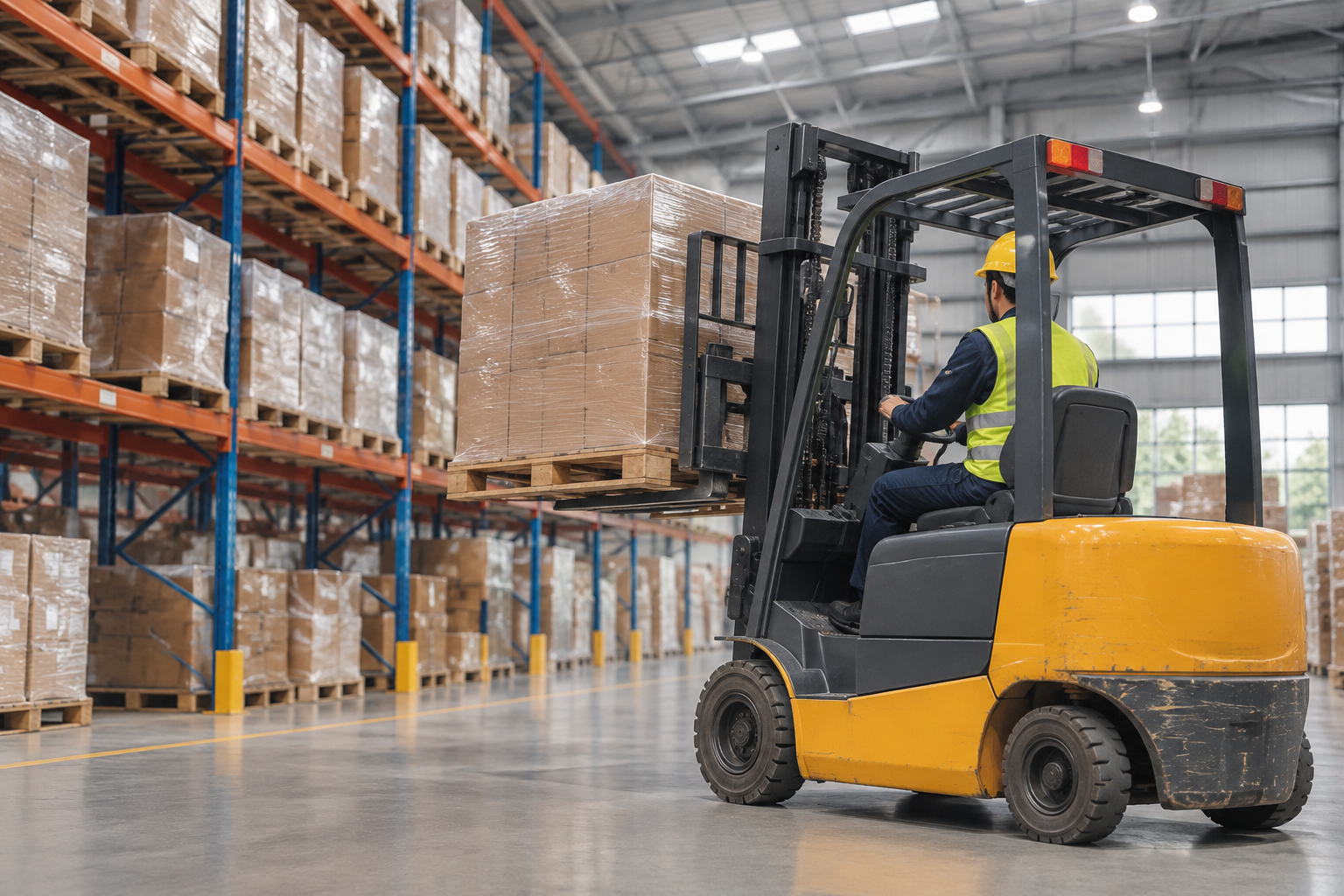
1. Warehouse Material Handling and Stacking
Warehousing is one of the most common applications for electric forklifts.
A used electric forklift can move palletized goods, load and unload materials, organize inventory, and stack products on warehouse racks. It is useful for handling cartons, packaging materials, food products, and industrial components.
For warehouses with limited space, choosing a forklift with a suitable body size and turning radius can make it easier to operate between shelves and narrow aisles.
2. Material Transportation in Manufacturing Plants
In manufacturing facilities, electric forklifts are commonly used to transport raw materials, semi-finished products, and finished goods over short distances.
Typical tasks include:
- Delivering raw materials to production lines.
- Moving materials between different production areas.
- Handling packaged products.
- Transporting finished goods to storage or loading areas.
Electric forklifts generally operate more quietly than diesel models and produce no engine exhaust, making them suitable for many indoor manufacturing environments.
3. Loading and Unloading at Logistics Centers
Logistics centers handle large volumes of goods every day. Efficient loading and unloading are important for keeping operations running smoothly.
Used electric forklifts can help with truck loading, pallet transportation, goods sorting, and moving products to temporary storage areas.
For logistics companies and distribution centers, choosing a forklift with the correct load capacity can improve handling efficiency and reduce manual labor.
4. Supermarkets and Retail Warehouses
Large supermarkets, shopping center distribution facilities, and retail warehouses also use electric forklifts.
They can transport beverages, food products, daily necessities, cartons, and palletized goods. Common tasks include receiving inventory, restocking, and organizing warehouse storage.
Because electric forklifts generally produce less noise and no diesel engine exhaust, they are suitable for many indoor storage areas. However, adequate ventilation and workplace safety procedures are still important.
5. Food, Pharmaceutical, and Other Indoor Workplaces
Industries such as food processing, pharmaceutical warehousing, and electronics manufacturing often have specific workplace requirements.
Electric forklifts produce no exhaust emissions from an onboard combustion engine, making them a practical option for indoor material handling where air quality is important.
However, food and pharmaceutical facilities may also require special hygiene, cleaning, and safety standards. Businesses should select equipment that meets the requirements of their working environment.
6. Assembly Workshops and Light Industrial Handling
Used electric forklifts can also be used in indoor assembly workshops, light industrial facilities, and loading areas.
Typical jobs include pallet handling, moving equipment components, and stacking goods.
However, electric forklifts are not suitable for every outdoor environment. If the ground is uneven, slopes are steep, or the machine is frequently exposed to rain, buyers should check the tires, ground clearance, battery protection, and operating specifications before choosing a model.
7. What Should You Check Before Buying a Used Electric Forklift?
The performance of a used electric forklift depends on its model and actual condition. Before purchasing, buyers should carefully inspect the following components:
- Battery condition:Check battery capacity, charging performance, service age, and signs of damage.
- Motor and electrical control system:Test driving, lifting, and steering functions.
- Hydraulic system:Inspect hoses and cylinders for leaks and check whether lifting movements are smooth.
- Mast and forks:Look for deformation, cracks, and excessive wear on the mast, chains, and forks.
- Tires and brakes:Check tire wear and braking performance.
- Rated load capacity:Select a model according to the weight of the goods and the required lifting height.
It is also recommended to conduct a practical operating test and review the machine’s maintenance and battery replacement records.
Conclusion
Used electric forklifts can perform a wide range of material-handling tasks in warehouses, manufacturing plants, logistics centers, supermarkets, food facilities, and pharmaceutical storage areas.
They help businesses improve handling efficiency, reduce manual labor, and support everyday logistics operations.
Before purchasing, consider the working environment, load capacity, lifting height, and battery condition. Choosing the right model and following a regular maintenance schedule can help businesses control operating costs and get reliable performance from their equipment.