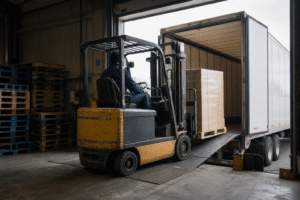
Excavators are among the most widely used machines in modern construction and engineering projects. From residential construction and roadwork to farming, landscaping, and land preparation, excavators can handle a wide variety of tasks.
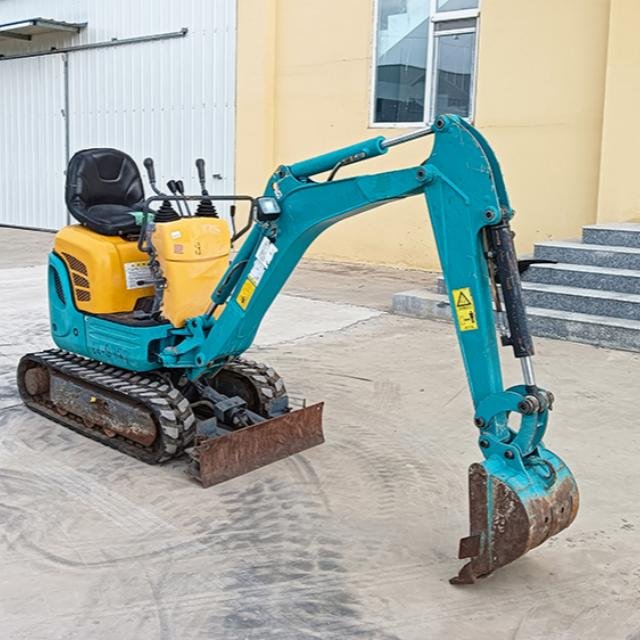
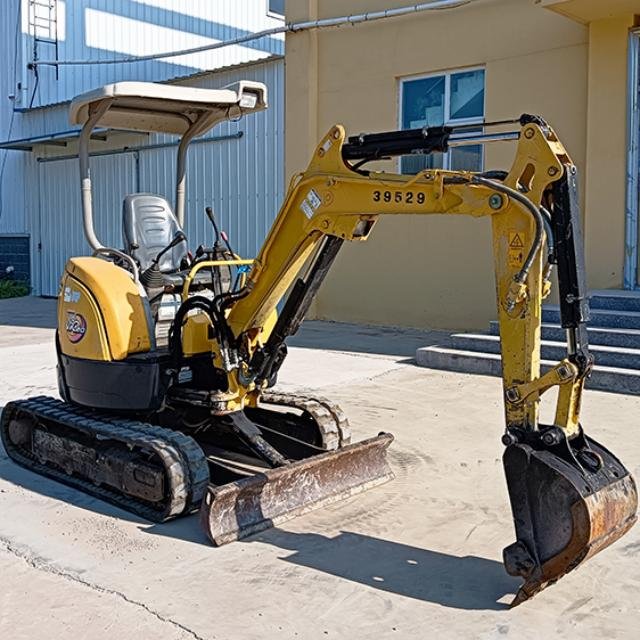
For contractors, small construction companies, farmers, rental businesses, and equipment buyers with limited budgets, used mini excavators can provide a practical combination of compact size, flexible operation, and lower initial investment.
1. Used Mini Excavators Have a Wide Range of Applications
Although mini excavators are compact, they can be used for many different types of work.
Common applications include:
- Residential and building construction
- Trenching and pipeline excavation
- Road construction and maintenance
- Farm and orchard work
- Landscaping
- Land leveling
- Municipal projects
- Small demolition projects
- Infrastructure work
For users handling multiple types of projects, one properly selected used mini excavator can perform excavation, loading, grading, and site-cleaning tasks.
2. Compact Size for Confined Jobsites
One of the key advantages of a mini excavator is its maneuverability.
Compared with larger excavators, compact machines can access residential backyards, orchards, narrow roads, and confined construction areas more easily.
Many urban renovation and small construction projects have limited working space. In these situations, a compact excavator can provide greater flexibility for transportation and operation.
When buying a used mini excavator, buyers should consider more than digging performance. Important specifications include:
- Overall machine width
- Working radius
- Maximum digging depth
- Tail swing
- Transport dimensions
- Operating weight
3. Machine Condition Matters When Buying Used Equipment
When purchasing a used mini excavator, evaluating the actual machine condition is particularly important.
Buyers should not judge a machine only by its price or brand.
Key inspection points include:
Engine:
- Starting performance
- Exhaust condition
- Unusual engine noise
- Oil leakage
Hydraulic System:
- Hydraulic pump performance
- Cylinder leakage
- Smooth operation
- Digging and swing performance
Undercarriage:
- Track wear
- Drive sprocket condition
- Roller condition
- Overall undercarriage wear
Operating hours and maintenance records should also be reviewed before purchasing.
4. One Mini Excavator Can Handle Multiple Jobs
The versatility of a mini excavator comes not only from the machine itself but also from its attachment compatibility.
Depending on the application, buyers can use:
- Standard buckets
- Trenching buckets
- Grading buckets
- Hydraulic breakers
- Augers
- Grapples
- Hydraulic clamps
For example, a standard bucket can be used for excavation, while a hydraulic breaker can be used for demolition and concrete-breaking work. Augers and other attachments can further expand the machine’s applications.
This multi-purpose capability allows one used mini excavator to support different types of projects.
5. Reliability and Maintenance Costs Are Important
The purchase price is only one part of the total cost of owning a used mini excavator.
Buyers should also consider:
Purchase Cost + Transportation Cost + Fuel Cost + Maintenance Cost + Spare Parts Cost
A machine with a lower purchase price may require more maintenance later, which can increase the overall ownership cost.
Therefore, buyers should evaluate the machine’s overall condition, operating hours, engine and hydraulic performance, maintenance history, and spare-parts availability.
6. Kubota, Yanmar and CAT Used Mini Excavators
Kubota, Yanmar, and CAT are among the brands commonly found in used mini excavator markets around the world.
Different brands and models can vary in terms of machine dimensions, engines, hydraulic systems, operating weight, and maintenance requirements.
For overseas buyers, it is therefore important to consider more than the brand name.
A comprehensive evaluation should include:
Brand + Model + Year + Operating Hours + Machine Condition + Maintenance History
These factors provide a more complete basis for evaluating whether a used mini excavator is suitable for a specific project.
Conclusion
As versatile construction machines, used mini excavators can support a wide range of applications in construction, agriculture, landscaping, roadwork, and municipal projects.
Their value is not limited to purchase price. Compact dimensions, attachment compatibility, transportation convenience, flexibility, and long-term ownership costs are also important considerations.
For overseas buyers, a thorough inspection of the engine, hydraulic system, undercarriage, working equipment, operating hours, and maintenance history is recommended before purchasing.
By selecting a used mini excavator that matches the actual job requirements and has a well-maintained mechanical condition, buyers can maximize the machine’s usefulness across different projects.