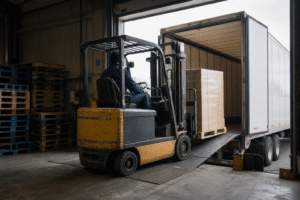
1. Why Does a Used Small Electric Forklift Need Regular Maintenance?
Used small electric forklifts are widely used in warehouses, factories, logistics centers, supermarkets, and small loading areas.
Compared with diesel forklifts, electric forklifts offer lower noise levels, zero on-site exhaust emissions, and convenient operation.
However, after long-term use, the battery, motor, hydraulic system, and braking components may experience wear and performance changes.
Regular maintenance helps extend equipment service life, reduce unexpected breakdowns, improve productivity, and lower long-term operating costs.


2. Key Maintenance Areas of Used Small Electric Forklifts
(1)Battery Maintenance
The battery is one of the most important components of an electric forklift. Its condition directly affects operating time and performance.
Daily maintenance tips:
- Inspect the battery for cracks, leaks, or unusual swelling.
- Charge the battery according to its type and manufacturer recommendations.
- Avoid leaving the battery in a fully discharged condition for extended periods.
- Check battery terminals and connections to ensure they are clean and secure.
- Keep the battery and charging area properly ventilated.
For lead-acid batteries, check the electrolyte level according to the manufacturer’s instructions and use only the recommended refill liquid.
For lithium batteries, monitor the battery management system (BMS) and its warning messages. Do not attempt to dismantle the battery yourself.
(2)Motor and Electrical System Inspection
Electric forklifts rely on motors and control systems for driving, steering, and lifting operations.
During maintenance:
- Check whether the motor operates smoothly without unusual noise.
- Inspect wires, cables, and connectors for looseness or damage.
- Check the controller for warning messages.
- Keep electrical components clean and dry.
- Stop using the forklift if unusual overheating or burning smells occur, and arrange professional inspection.
Avoid spraying high-pressure water directly onto motors, controllers, and electrical connections.
(3)Hydraulic System Maintenance
The hydraulic system controls fork lifting and lowering. Its condition directly affects material handling performance and stability.
Regular checks include:
- Checking the hydraulic oil level.
- Inspecting hoses and connections for oil leaks.
- Checking hydraulic cylinders for visible damage.
- Observing whether the forks lift and lower smoothly.
- Replacing hydraulic oil and filters according to the maintenance schedule.
If the forks lift slowly, lower abnormally, or the hydraulic system shows visible leakage, arrange repairs promptly.
3. Daily Maintenance Schedule for Used Small Electric Forklifts
| Maintenance Frequency | Main Inspection Items |
| Before daily operation | Battery, charge level, tires, forks, brakes, steering |
| After daily operation | Clean the forklift, check for abnormalities, charge as recommended |
| Weekly | Inspect cables, connectors, hydraulic hoses, and wheels |
| Monthly | Check mast, chains, braking system, and electrical system |
| Scheduled servicing | Inspect hydraulic oil, filters, and key components according to the manual |
Actual maintenance intervals should follow the manufacturer’s instructions and the forklift’s working conditions.
4. Common Maintenance Mistakes to Avoid
(1)Ignoring Battery Inspections
The battery is a major part of a used electric forklift’s value. Neglecting battery maintenance may lead to reduced operating time or charging problems.
(2)Using an Incompatible Charger
Different battery types and voltage specifications require compatible chargers. Using the wrong charger may damage the battery or create safety risks.
(3) Ignoring Hydraulic Oil Leaks
Hydraulic leaks increase maintenance costs and may affect lifting performance and operational safety.
(4) Neglecting Tires and Brakes
Worn tires and braking components can reduce forklift stability and increase stopping distances.
(5)Overloading the Forklift
Exceeding the rated load capacity can place excessive stress on the mast, forks, hydraulic system, and forklift structure.
5. What Should You Check Before Buying a Used Small Electric Forklift?
If you are planning to purchase a used small electric forklift, pay attention to the following:
- Battery type, age, and health condition.
- Motor and controller performance.
- Charger compatibility and charging function.
- Hydraulic system leaks.
- Condition of the mast, forks, and lift chains.
- Tire, braking, and steering performance.
- Operating history and maintenance records.
Battery health is particularly important when purchasing used electric forklifts. A practical driving and lifting test is recommended before purchase.
6. Conclusion
The main maintenance areas of used small electric forklifts include the battery, motor, electrical system, hydraulic system, tires, and braking system.
Regular inspections, proper charging, and correct operation can reduce equipment failures, extend service life, and improve warehouse and logistics productivity.
Good maintenance habits protect your equipment and help reduce long-term operating costs, keeping your used small electric forklift reliable and efficient.