
With the development of construction, agriculture, and landscaping projects, mini excavators have become increasingly popular because of their compact size, flexible operation, and wide range of applications.
For buyers who need practical construction equipment while managing their purchasing budget, a used mini excavator can be a worthwhile option.
But what exactly is a used mini excavator, and what jobs can it perform? This article introduces its key features, common applications, and important buying considerations.
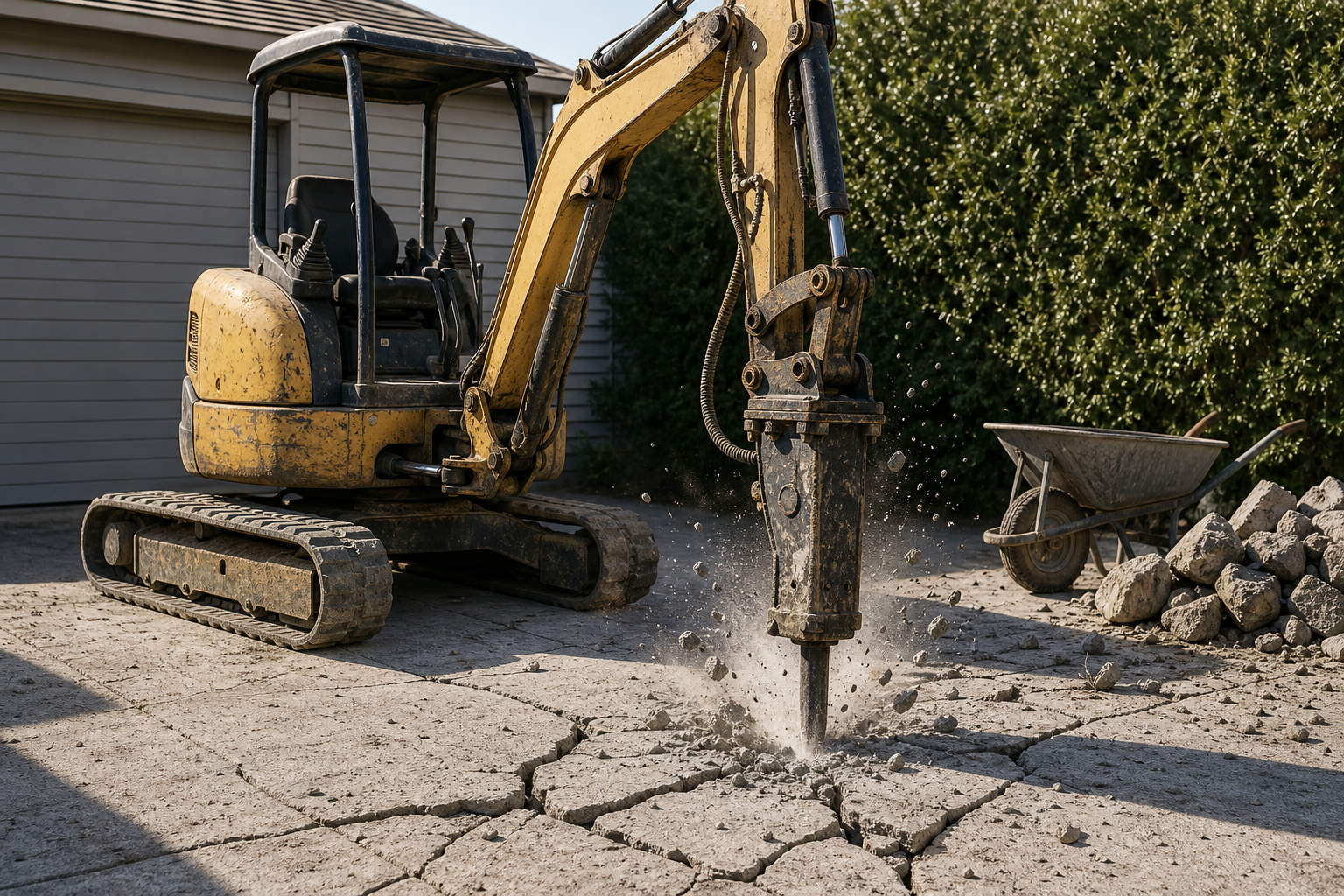
1. What Is a Used Mini Excavator?
A used mini excavator is a compact hydraulic excavating machine that has previously been operated and is now available for resale. It is generally designed with a smaller body, flexible controls, and the ability to work in relatively confined areas.
Compared with large excavators, mini excavators typically offer several advantages:
- Compact Size:Suitable for narrow spaces and smaller job sites.
- Flexible Operation:Can perform digging, loading, grading, and trenching tasks.
- Convenient Transportation:Some smaller models can be transported using suitable trailers or transport vehicles.
- Relatively Lower Operating Costs:Depending on the model and condition, some machines may cost less to purchase, transport, and maintain than larger equipment.
- Wide Applications:Used in construction, agriculture, landscaping, municipal projects, and small-scale engineering work.
The actual performance of a used machine depends on its brand, model, operating hours, maintenance history, and overall condition. A thorough inspection is essential before purchase.
2. What Jobs Can a Used Mini Excavator Do?
(1) Construction and Foundation Excavation
In small construction projects, used mini excavators can perform foundation digging, soil removal, trenching, and site preparation.
Their compact design allows them to access certain confined construction areas where larger machines may be difficult to operate.
(2) Agricultural and Farm Work
On farms and in rural areas, mini excavators can handle a variety of everyday tasks, including:
- Digging irrigation ditches.
- Clearing farmland.
- Digging holes for trees and plants.
- Repairing farm roads.
- Removing soil and debris.
With different attachments, mini excavators can support a wider range of agricultural applications.
(3) Landscaping and Garden Projects
Mini excavators are useful for landscaping projects in parks, gardens, orchards, and residential yards.
Common tasks include ground leveling, tree planting, trench digging, and landscape renovation.
Their relatively compact size makes them suitable for many landscaping areas with limited working space and helps reduce unnecessary disturbance to surrounding areas.
(4) Municipal Projects and Pipeline Installation
Used mini excavators are also commonly used in small municipal projects, such as:
- Digging drainage ditches.
- Installing underground cables and pipes.
- Repairing underground utility lines.
- Excavating along road edges.
- Clearing construction sites.
Before digging, operators should identify underground utilities to avoid damaging existing cables and pipelines.
(5) Road Maintenance and Site Preparation
Mini excavators can help with roadside ditch cleaning, road-edge repairs, soil transportation, and construction site leveling.
With the appropriate bucket or attachment, they can improve efficiency in small road maintenance projects.
(6) Light Demolition and Material Handling
When equipped with suitable attachments and operated within the machine’s rated capacity, mini excavators can perform light demolition, debris removal, and certain material-handling tasks.
For example, a hydraulic breaker can be used for some concrete-breaking applications. Actual performance depends on machine weight, hydraulic flow, attachment specifications, and working conditions.
3. What Attachments Can Be Used with a Mini Excavator?
Different attachments can expand the working capabilities of a mini excavator. Common options include:
- Standard Bucket:Used for digging, loading, and general earthmoving.
- Narrow Bucket:Suitable for trenching and confined excavation areas.
- Hydraulic Breaker:Used for concrete and rock breaking within the machine’s capabilities.
- Wood Grapple:Designed for handling logs, branches, and similar materials.
- Grading Bucket:Suitable for ground leveling, slope finishing, and cleanup.
- Auger:Used for tree planting and certain ground-drilling applications.
Before purchasing attachments, buyers should check compatibility with the machine’s mounting system, hydraulic lines, flow requirements, and operating capacity.
4. Why Choose a Used Mini Excavator?
For businesses and individuals looking to manage equipment purchasing budgets, used mini excavators offer several potential benefits.
More Flexible Purchasing Costs: Some used models have lower initial purchase prices than comparable new machines.
Versatile Applications: One machine can handle digging, cleanup, grading, and certain material-handling tasks.
Access to Confined Areas: Their compact design makes them suitable for many residential, farm, and landscaping projects.
A Wide Range of Brands and Models: Buyers can find used machines in different sizes, configurations, and brands, including selected mini excavator models from Kubota, Yanmar, and CAT.
However, a used machine does not automatically mean low maintenance costs. Its actual condition, spare parts availability, and future repair expenses should also be considered.
5. What Should You Check Before Buying a Used Mini Excavator?
Before purchasing, buyers should pay attention to the following components:
- Engine Condition:Check starting performance, operating noise, exhaust smoke, and oil leaks.
- Hydraulic System:Inspect cylinders, hydraulic hoses, and connections for leaks and smooth operation.
- Undercarriage:Check rubber tracks, sprockets, idlers, and rollers for wear.
- Working Equipment:Inspect the boom, arm, bucket, and connecting pins for cracks or excessive clearance.
- Operating Functions:Test traveling, swinging, digging, and other machine functions.
- Maintenance Records:Review operating hours, service records, and repair history.
- Attachment Configuration:Confirm whether additional attachments are needed for your projects.
A physical inspection and practical operating test are recommended before purchase. Buyers should also estimate future maintenance costs based on the machine’s actual condition.
Conclusion
A used mini excavator is a flexible and practical piece of construction equipment. It can be used for construction, agricultural work, landscaping, municipal projects, road maintenance, and material handling.
Choosing the right operating weight, brand, and attachments while carefully inspecting the engine, hydraulic system, and undercarriage can help buyers find a machine that meets their actual working requirements.