For overseas construction companies, farmers, landscaping contractors, and equipment dealers, choosing a used mini excavator involves more than comparing prices. Buyers should consider the working environment, operating weight, operating hours, engine condition, hydraulic system, and long-term maintenance costs.
A well-maintained used mini excavator that matches the working requirements can be used for construction, farming, landscaping, road maintenance, utility trenching, and many other projects.
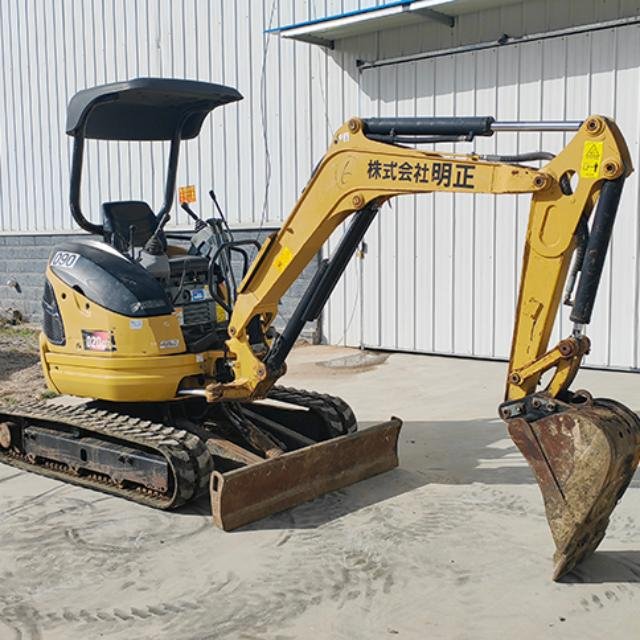
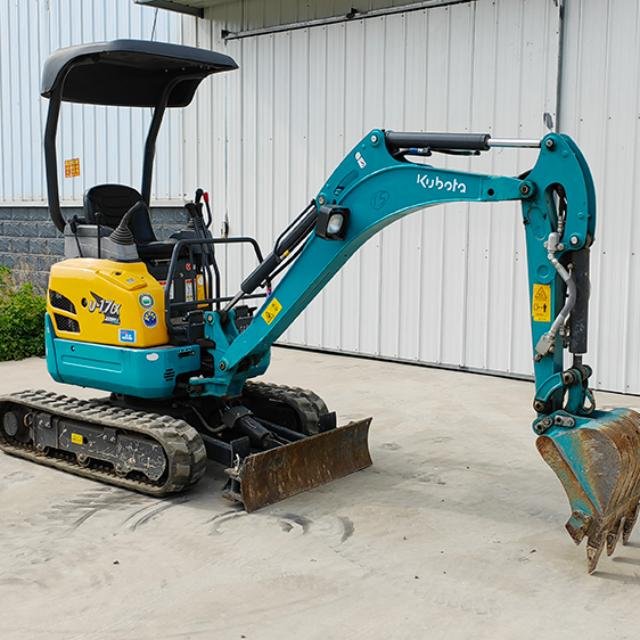
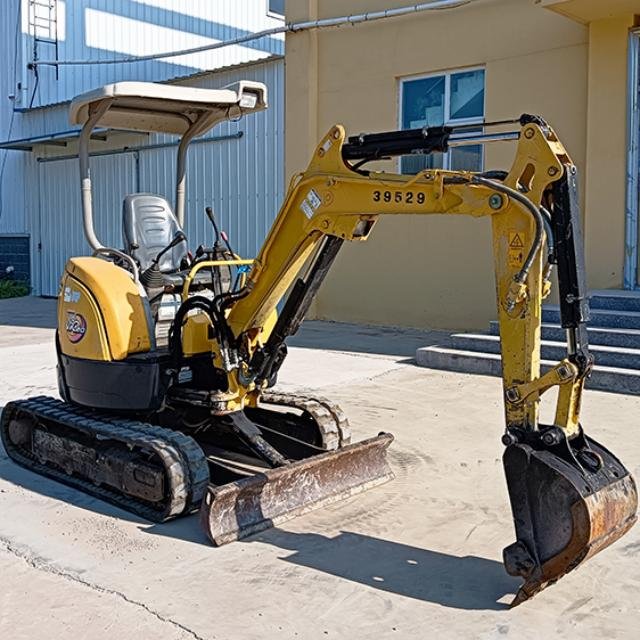
1.Choose the Machine According to the Job Site
Different job sites require different types of mini excavators.
For residential projects, yards, orchards, and landscaping, a more compact machine may be suitable. For roadwork, foundation excavation, or heavier earthmoving, buyers may need a machine with a larger operating weight and greater working capability.
Before purchasing, it is important to identify the main applications instead of choosing a machine based only on price.
2.Consider Operating Weight and Dimensions
Operating weight affects digging capability, transportation, and working range.
Used mini excavators are available in different sizes and configurations. Compact models can be useful for narrow job sites, while heavier models may be more appropriate for projects requiring greater digging depth and working capacity.
3.Check Operating Hours
Operating hours are an important reference when evaluating a used mini excavator.
However, hours alone should not determine the value of a machine. A higher-hour excavator with proper maintenance may still be in good working condition.
Buyers should also check:
- Operating hours
- Engine condition
- Hydraulic system
- Tracks and undercarriage
- Boom and arm
- Bucket and pins
- Electrical system
- Maintenance records
4.Inspect the Engine and Hydraulic System
The engine and hydraulic system are two of the most important areas to inspect.
After starting the machine, check whether the engine starts normally and runs smoothly. Pay attention to unusual noise or excessive smoke.
Test the digging, swinging, traveling, and working functions to make sure movements are smooth. Hydraulic hoses and cylinders should also be checked for visible leaks.
5.Check the Tracks and Undercarriage
Tracks and undercarriage components are subject to regular wear and should receive careful attention when purchasing a used excavator.
Check the track shoes, drive sprocket, rollers, idler, and track tension. Excessive undercarriage wear may result in additional maintenance or replacement costs later.
6.Choose the Right Attachments
One major advantage of a used mini excavator is the ability to perform different tasks with different attachments.
Common attachments include:
- Standard bucket
- Grading bucket
- Hydraulic breaker
- Auger
- Grapple
- Hydraulic clamp
For example, a standard bucket can be used for excavation and trenching, while a hydraulic breaker can handle concrete breaking and an auger can be used for drilling and landscaping work.
7.Don’t Focus Only on the Purchase Price
A low purchase price does not necessarily mean a low total ownership cost.
Buyers should consider:
Machine price + transportation + fuel + repairs + wear parts + maintenance
A machine with a low purchase price but high repair costs may not provide the expected long-term value.
8.Consider Established Used Excavator Brands
In the international used construction equipment market, mini excavators from brands such as Kubota, Yanmar, and CAT are considered by many overseas buyers.
However, brand should not be the only purchasing factor. The specific model, production year, operating hours, maintenance history, and actual machine condition should also be evaluated.
9.Consider Transportation and After-Sales Support
For overseas buyers, transportation is also an important part of the purchasing process.
Before ordering, buyers can confirm:
- Machine dimensions and weight
- Container or shipping method
- Transportation costs
- Spare parts availability
- Technical support
- After-sales service
Understanding these factors in advance helps buyers estimate the overall purchasing cost more accurately.
Conclusion
Choosing a used mini excavator should involve more than comparing price or brand. Buyers should evaluate the working environment, operating weight, operating hours, engine, hydraulic system, undercarriage, attachments, and total ownership cost.
For construction companies, farmers, landscaping contractors, rental companies, and dealers, a properly inspected and well-maintained used mini excavator can provide a practical solution for different working conditions and projects.