Used mini excavators are popular among construction contractors, farmers, and equipment dealers because of their flexibility, lower purchase costs, and wide range of applications. However, focusing only on price without checking the machine condition can lead to unexpected maintenance and repair expenses.
To help buyers make better decisions, here are three common mistakes to avoid when purchasing a used mini excavator.
1. Focusing Only on Price and Ignoring Machine Condition
Price is important, but the overall condition of the machine matters more. Some low-priced excavators may have engine wear, aging tracks, or poor maintenance history.
Before purchasing, check whether the engine starts easily and runs smoothly. Look for oil leaks, unusual noises, and excessive exhaust smoke. Also inspect the tracks, rollers, bucket, and boom for signs of wear or damage.
Buying Tip: Do not automatically choose the lowest-priced machine. Compare operating hours, maintenance history, overall performance, and potential repair costs.
2. Ignoring the Hydraulic System and Major Components
The hydraulic system is one of the most important parts of a mini excavator. It directly affects digging performance and working efficiency. Problems with the hydraulic pump, cylinders, or hoses may cause slow movements, weak digging force, and unexpected downtime.
Test the boom, arm, and bucket movements to make sure they operate smoothly. Also check the swing and travel functions for unusual noises, vibration, or hydraulic leaks.
Buying Tip: Whenever possible, test the machine before purchasing. If you are unfamiliar with excavator inspections, consider asking a qualified technician to check the engine, hydraulic system, and undercarriage.
3. Choosing the Wrong Machine Size for Your Job
Different mini excavator sizes are designed for different working conditions. Choosing the wrong model may reduce productivity, increase transportation difficulties, or prevent the machine from completing certain tasks.
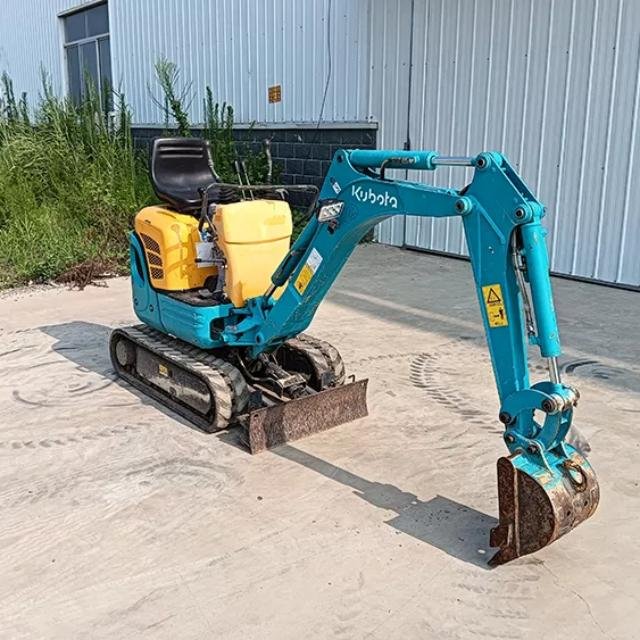
- Around 1 Ton:Suitable for gardens, landscaping, and narrow working areas.
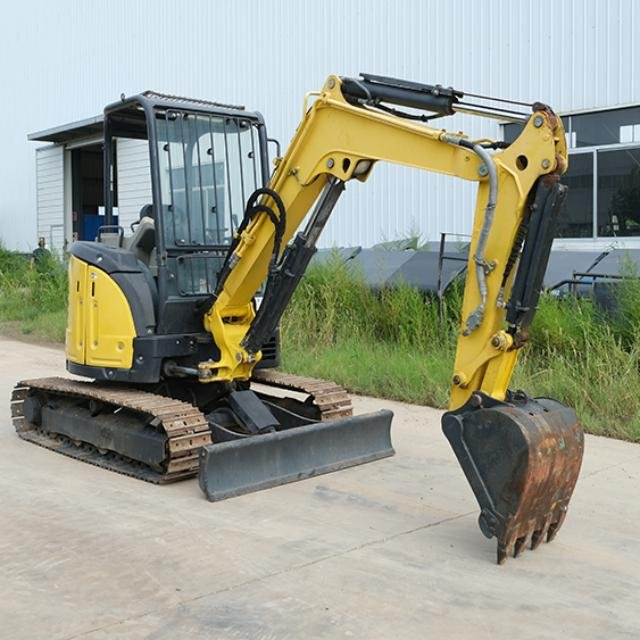
- 2 Ton:Ideal for farms, trenching, pipelines, and small construction projects.
- 3 Ton:Suitable for earthmoving, foundation work, and road maintenance.
- 5 Ton:A practical choice for projects requiring greater digging capacity.
Besides operating weight, buyers should consider machine width, digging depth, engine power, and transport weight. Attachments such as hydraulic breakers, augers, and different bucket sizes can also improve versatility.
Buying Tip: Choose a machine based on actual job requirements rather than price or operating weight alone.
Used Mini Excavator Inspection Checklist
Before completing a purchase, buyers should confirm the following details:
- Machine Information:Brand, model, manufacturing year, and operating hours.
- Engine Condition:Starting performance, running condition, and oil leaks.
- Hydraulic System:Hydraulic pump, cylinders, and hoses.
- Undercarriage:Track wear, track tension, and overall condition.
- Maintenance History:Regular engine oil, hydraulic oil, and filter changes.
- Shipping and Export:Machine dimensions, weight, container loading, and transportation costs.
Conclusion
Buying a used mini excavator requires careful evaluation. Focusing only on price, ignoring hydraulic inspections, or choosing the wrong machine size can increase long-term operating costs.
By checking the engine, hydraulic system, undercarriage, and major components, buyers can reduce purchasing risks. Choosing the right model for actual working conditions is the key to getting reliable performance and better value from a used mini excavator.